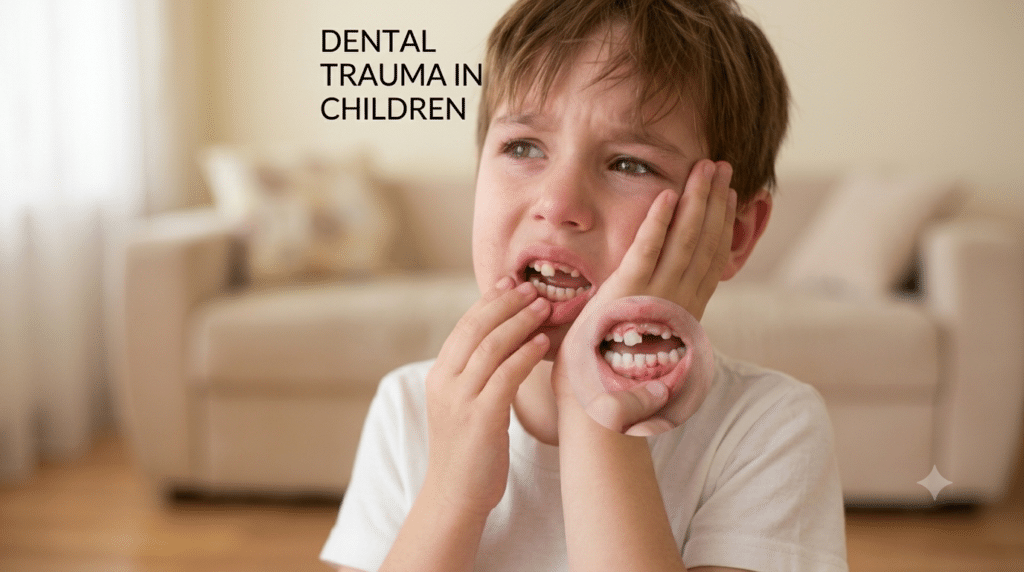


Pulp therapy in Pediatric Dentistry is a tooth-saving treatment that helps protect a child’s tooth when decay or injury affects the pulp. Most parents hear the words “pulp therapy” or “baby root canal” and immediately feel alarmed. Pediatric dentists perform this procedure every day to protect children from pain, infection, and early tooth loss.
What Exactly Is the Dental Pulp?
The dental pulp is the soft tissue that lives at the very center of every tooth. It contains blood vessels, nerves, and connective tissue that keep the tooth alive by supplying oxygen and nutrients.
Enamel covers the outside of the tooth, while dentin sits underneath. Together, they protect the pulp inside. That’s the normal setup.
Deep decay or a traumatic injury can break through the enamel and dentin, allowing bacteria to reach the pulp. Bacteria can inflame the pulp and spread the infection to the root and surrounding bone if a dentist does not treat it promptly. That’s when pain escalates, and the tooth becomes impossible to save without intervention.
Children’s teeth are especially vulnerable because their enamel is significantly thinner than adult enamel. A cavity that looks minor on the surface can reach the pulp faster than most parents expect.
What Are the Two Types of Pulp Therapy?
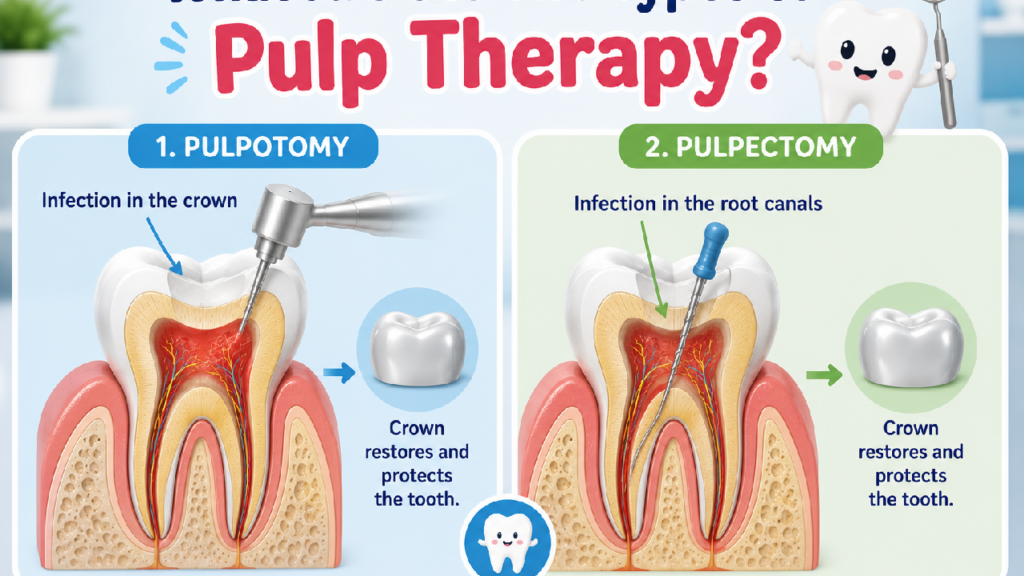
There are two distinct procedures under the category of pulp therapy in pediatric dentistry. Which one is appropriate depends on how far the infection or damage has progressed.
What Is a Pulpotomy, and When Is It Used?
A pulpotomy is the more conservative of the two options. Dentists may perform a pulpotomy when decay reaches the pulp inside the crown of the tooth but does not affect the healthy roots.
During a pulpotomy, the dentist removes the infected pulp from the crown of the tooth while preserving the healthy pulp in the roots. The dentist then places a crown over the tooth to protect it and restore normal function.
Many people call a pulpotomy a “baby root canal,” but the term isn’t entirely accurate. Unlike a full root canal, it doesn’t involve removing pulp from the root canals themselves.
What Is a Pulpectomy, and When Is It Used?
Dentists use a pulpectomy to treat teeth when infection or damage affects both the crown pulp and the root canals. When the infection affects the entire pulp, the dentist removes the tissue from both the crown and the roots of the tooth.
The dentist cleans and disinfects the root canals. Next, they fill the canals with a child-safe material, such as calcium hydroxide or zinc oxide eugenol. This material gradually breaks down as the baby tooth naturally dissolves, allowing the permanent tooth to emerge without interference. A crown completes the restoration.
Pulpotomy vs. Pulpectomy, Side-by-Side Comparison
| Factor | Pulpotomy | Pulpectomy |
|---|---|---|
| Infection location | Crown pulp only | Crown pulp + root canals |
| Pulp removed | Coronal (top) portion only | Entire pulp (coronal + radicular) |
| Root health | Roots remain vital and healthy | Roots are non-vital or infected |
| Filling material | MTA, ferric sulfate, biodentine | Resorbable material (ZOE, calcium hydroxide) |
| Final restoration | Dental crown | |
| Complexity | Moderate | More involved |
| Common name | Baby root canal | Complete pulp canal treatment |
Both procedures are performed under local anesthesia. Sedation options, including nitrous oxide, conscious sedation, or general anesthesia, are available based on your child’s age, anxiety level, and the complexity of treatment needed.
Why Save a Baby Tooth With Pulp Therapy Instead of Just Pulling It?
This is the question almost every parent asks. If the tooth is going to fall out eventually, why go through treatment at all? The answer has everything to do with timing.
Baby teeth don’t fall out on a random schedule; they hold their positions for specific developmental reasons. Each one serves as a natural space maintainer, guiding the permanent tooth forming underneath it into the correct position. When a baby tooth is lost prematurely because of infection or untreated decay, the neighboring teeth drift into that gap. That movement crowds out the incoming permanent tooth, often leading to misalignment that requires orthodontic correction later.
Beyond alignment, baby teeth are essential for chewing, which directly affects nutrition during some of your child’s fastest growth years. They also play a measurable role in speech development; certain sounds rely on precise tongue-to-tooth contact that missing front teeth can disrupt.
Pulp therapy preserves the tooth in place, keeps the space protected, and allows normal development to continue until the permanent tooth is ready.
What Are the Signs That a Child’s Pulp May Be Damaged?
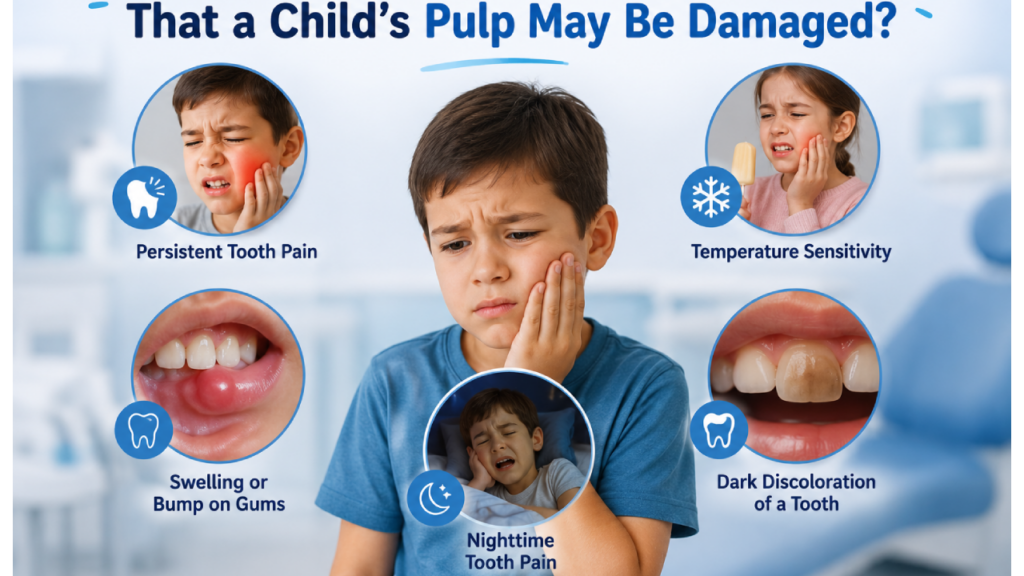
Pulp damage doesn’t always announce itself loudly. Some children are remarkably tolerant of dental discomfort, and some infections develop slowly before producing obvious symptoms. Here are the most common indicators worth paying attention to:
Persistent or spontaneous tooth pain, A toothache that doesn’t go away, or pain that appears without any trigger, like eating or drinking, often signals pulp involvement rather than a surface-level cavity.
Temperature sensitivity, Heightened reactions to cold drinks, hot food, or sweet items, can indicate that decay has breached the dentin layer and is affecting the nerve.
Swelling or a visible bump near a tooth, or a pimple-like bump on the gum near a tooth, is often a sign of an abscess, a pocket of infection forming at the root tip. This requires prompt evaluation.
Nighttime tooth pain, Pain that wakes a child up at night, tends to be a reliable indicator of deeper pulp involvement, not just surface sensitivity.
Dark discoloration of a single tooth. A tooth that has turned noticeably darker than the surrounding teeth may have sustained nerve damage, often from a previous trauma, even without a visible crack.
If your child shows any of these signs, don’t wait for the next scheduled checkup. A same-day or next-day evaluation is the right call.
What Happens During a Pulp Therapy Appointment?
Knowing what to expect can significantly reduce anxiety for both you and your child. Here’s how a typical visit unfolds.
How Does the Dentist Diagnose Pulp Damage?
Before any procedure begins, the dentist conducts a full clinical exam and takes dental X-rays. X-rays reveal the extent of decay, the condition of the root canals, and how much healthy pulp tissue remains. This imaging is what determines whether a pulpotomy or pulpectomy is the appropriate course of treatment. You can’t assess pulp status visually; the X-ray is essential.
What Does the Procedure Feel Like for a Child?
Before the procedure begins, the dentist numbs the area around the affected tooth with a local anesthetic. Children feel pressure and movement during the procedure, but not sharp pain. Sedation dentistry helps young or anxious children stay relaxed during longer or more complex dental treatments.
Once the area is numb, the dentist cleans the tooth, removes the damaged tissue, fills the space, and places a crown. Most children complete the procedure in under an hour.
What Should You Expect After the Procedure?
Once the numbness fades, your child may notice mild tenderness around the treated tooth. This discomfort usually goes away within one to two days. Serve soft foods like yogurt, mashed sweet potatoes, and scrambled eggs on the day of the procedure. Avoid crunchy or sticky foods for the first 24 hours.
After pulp therapy, the crown protects the tooth until it falls out naturally. Continue brushing the area normally with a soft-bristled toothbrush, and keep up with scheduled checkups. If anything feels off- persistent pain, swelling, or a crown that feels loose contact us immediately.
Is Pulp Therapy Safe for Children?
Yes. Pediatric dentists routinely perform pulp therapy and have a long track record of safe, successful results. Dentists choose MTA, calcium hydroxide, and resorbable zinc oxide compounds because they are safe and effective for baby teeth.
Without treatment, the infection can spread, increase pain, and eventually force the dentist to remove the tooth. As a result, the child loses the natural space needed for the permanent tooth to erupt. Pulp therapy avoids all of that.
We explain every step, keep children comfortable, and provide sedation when needed.
How Can You Prevent Your Child From Needing Pulp Therapy?
Most cases of pulp involvement begin as a small cavity that was either undetected or left untreated. Early detection helps dentists treat decay before it worsens, often eliminating the need for more extensive treatment.
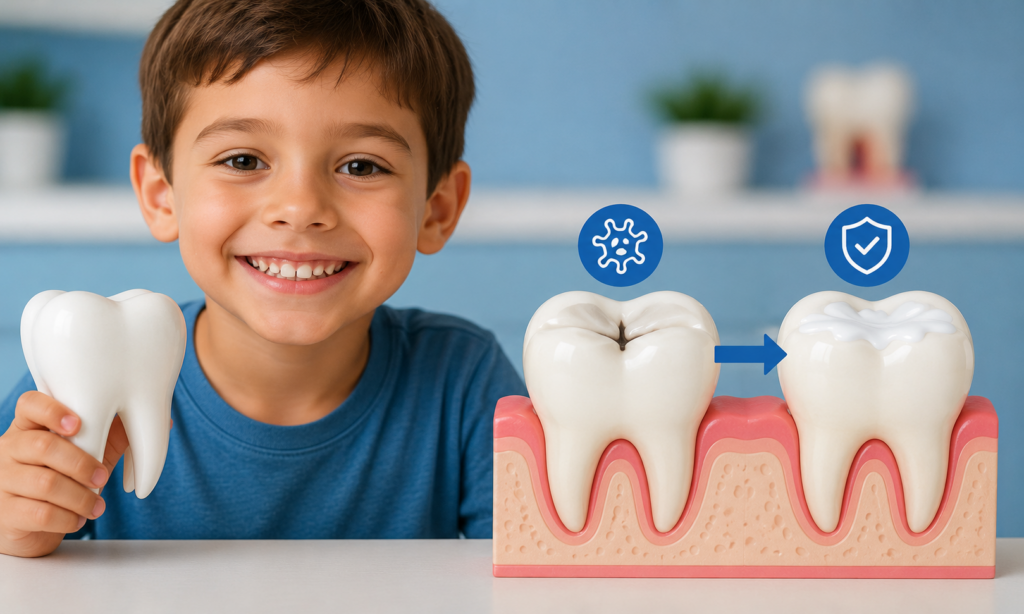
Brush your child’s teeth twice daily with an age-appropriate amount of fluoride toothpaste. Floss between teeth every day, because that’s where decay frequently starts. Limit the frequency of sugary snacks and drinks; it’s how often sugar contacts the teeth that drives decay, not just the total amount consumed. Ask your dentist about dental sealants, which seal the grooves of molars where most cavities in children develop.
And don’t skip the six-month checkup. When dentists catch decay early, they can often treat it with a simple filling instead of a more complex procedure.
Frequently Asked Questions
1. What is pulp therapy in pediatric dentistry?
Pulp therapy helps save a child’s tooth when decay or injury affects the pulp inside the tooth. The goal is to save the tooth, clear the infection, and keep the child’s dental development on track.
2. What’s the difference between a pulpotomy and a pulpectomy?
A pulpotomy removes only the infected pulp from the top part of the tooth. A pulpectomy removes all of the pulp, including what’s inside the roots. The dentist reviews the X-rays and checks the extent of the infection before choosing the right treatment.
3. Is pulp therapy the same as a root canal?
Not exactly. Dentists perform a pulpotomy on baby teeth to treat infected pulp in the top portion of the tooth. A pulpectomy is closer to an adult root canal because it removes pulp from the roots too. The main difference is that pediatric dentists use pulp therapy specifically for children’s teeth.
4. Does pulp therapy hurt?
No. The area is numbed before the procedure, so your child won’t feel pain, just some pressure. If your child is anxious, sedation is available. Some mild soreness for a day or two after is normal and goes away on its own.
5. Why does a crown go on the tooth after pulp therapy?
After the dentist removes the pulp, the tooth loses some of its strength and becomes more likely to crack. A crown covers and protects it, restores normal chewing function, and keeps the area sealed from new infection. It stays on until the baby tooth falls out.
6. Can pulp therapy be done on permanent teeth in children?
Pulp therapy can save a damaged permanent tooth and help the root continue developing normally.
7. How do I know if my child needs pulp therapy or just a filling?
Only an X-ray can tell. If the decay is still in the outer layers of the tooth, a filling is enough. Once decay reaches the pulp, dentists usually need pulp therapy instead of a filling.
Summary
Pulp therapy sounds more intimidating than it actually is. For most children, this simple, comfortable procedure helps save a tooth and prevent early tooth loss. If your child complains of tooth pain or sensitivity, or your dentist finds deep decay on an X-ray, seek treatment promptly.
Families across Corona, NY, rely on Smiley Faces Dental for gentle, child-focused dental care. We’ll explain the treatment plan and the reasons behind it, so you can feel confident before treatment starts.